Turning Potential into Assets
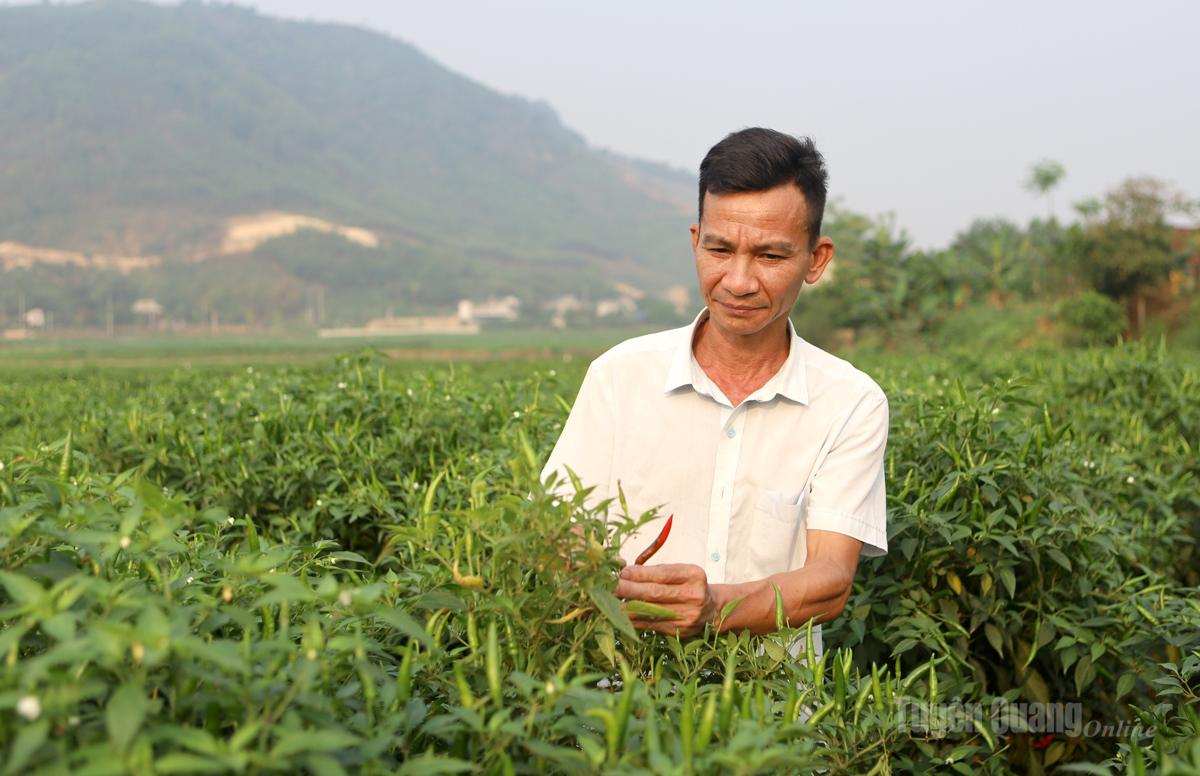
Across successive Party Congresses, agriculture has been identified as a national strength and a stabilizing force for economic growth. Translating this orientation into action, Tuyen Quang has issued a series of thematic resolutions to fully tap the province’s agricultural potential, both at the provincial and local levels.
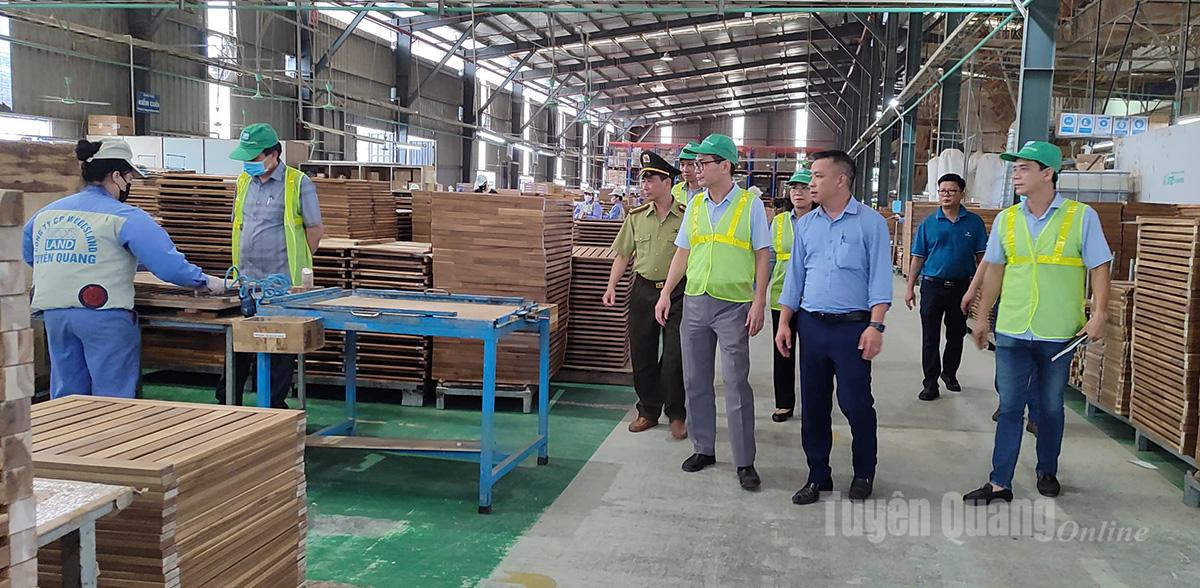
Woodsland Tuyen Quang JSC is among the leading enterprises investing in plantation timber processing
Moving away from fragmented, small-scale production, the province has prioritized an efficient, sustainable and multi-value agricultural model. The focus has shifted from “what to plant or raise” to value creation, supply chains, and closer linkages between agriculture, processing and eco-tourism.
In Khau Trang Hamlet, Hong Thai Commune, residents now earn income not only from pear cultivation but also from orchard-based tourism. For Mr. Dang Xuan Cuong, a Dao farmer, the land no longer yields fruit alone; it has become a stable livelihood that draws visitors and generates steady income for the community.
A similar shift is evident in Cao Bo Commune, home to ancient Shan Tuyet tea trees. With nearly 1,000 hectares of century-old tea at high elevations, local communities have begun to unlock this asset. According to the Department of Agriculture and Environment, Cao Bo’s Shan Tuyet tea has obtained organic certification from the International Federation of Organic Agriculture Movements (IFOAM) and has been recognized as a Vietnamese Heritage Tree. These “living heritage” resources have opened new avenues for agriculture-linked eco-tourism, bringing the Tuyen Quang brand closer to international markets.
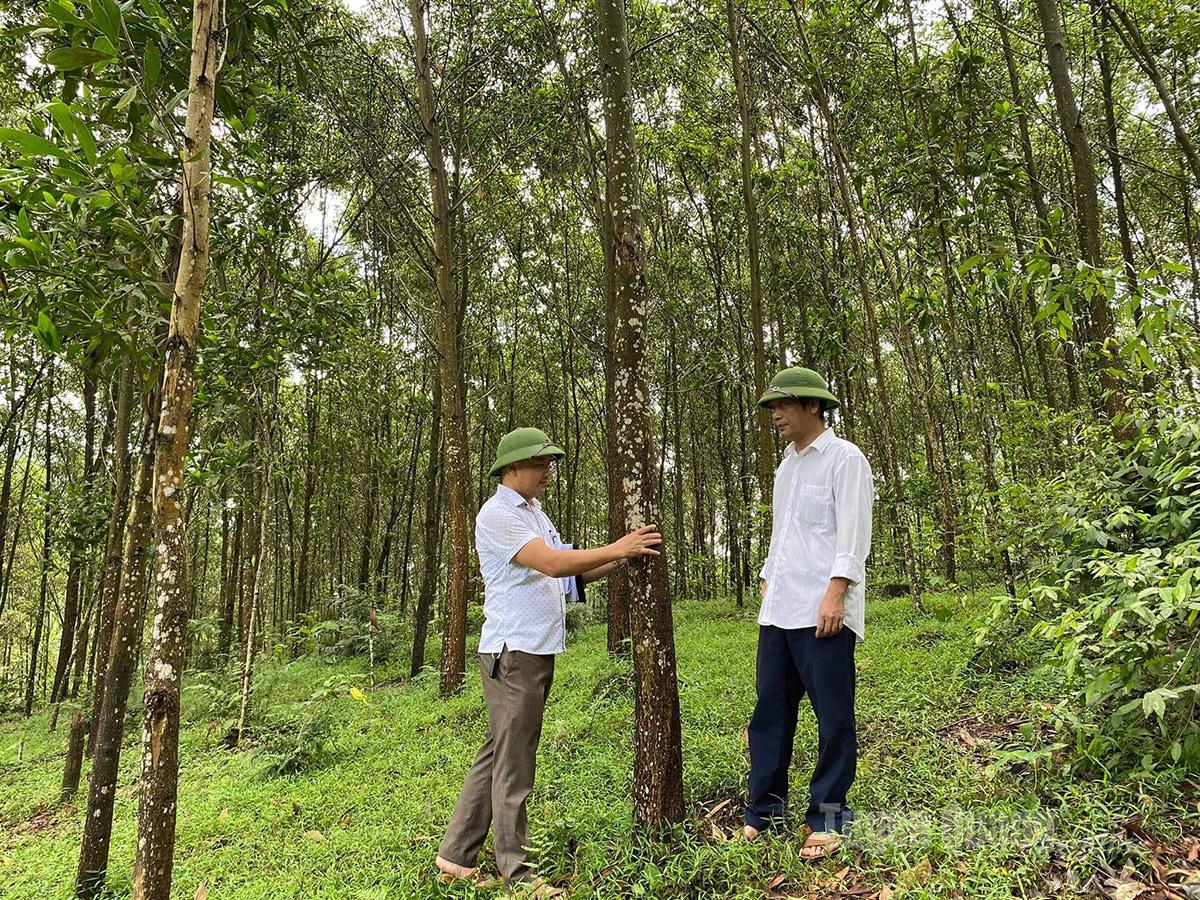
Production forests of Son Duong Forestry Company certified under the FSC sustainable forestry standard
With forest cover exceeding 65%, among the highest in the country, Tuyen Quang has emerged as a model for sustainable forestry aligned with FSC standards. Key production areas for Ham Yen oranges, specialty teas, sugarcane and plantation timber provide a strong raw-material base for processing industries.
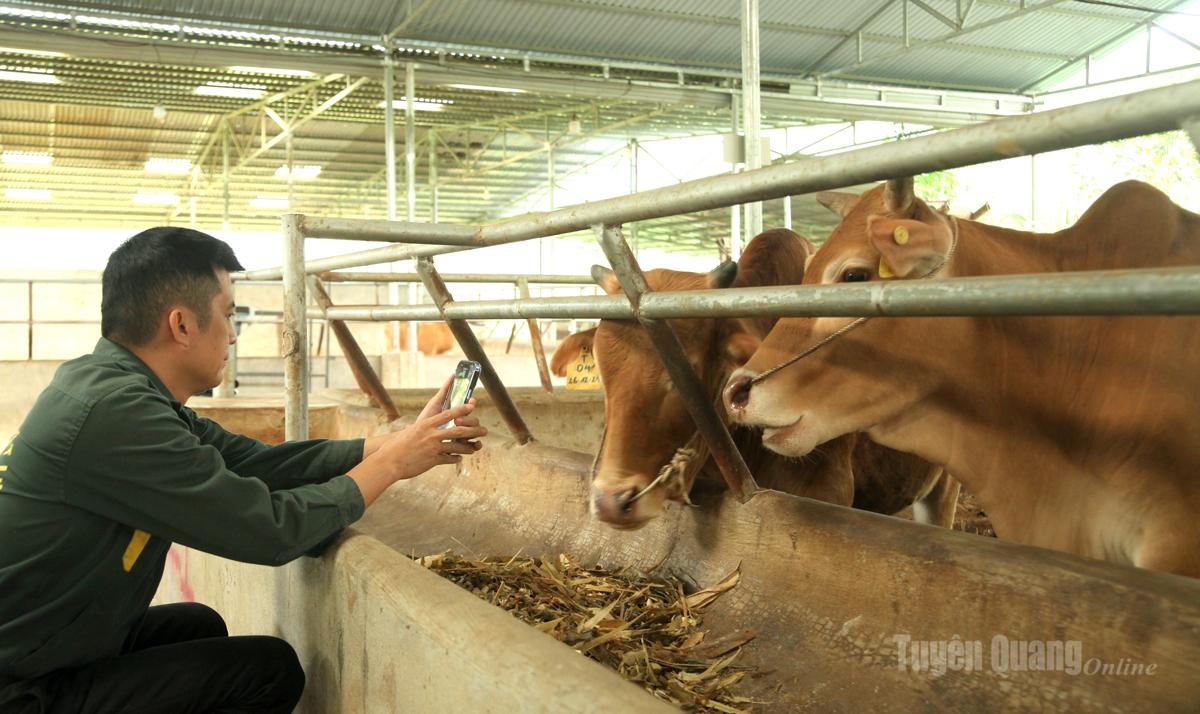
Livestock is another core pillar. The province now has nearly 400,000 head of cattle and buffalo. The dairy herd has grown to almost 7,000 cows, nearly double the figure five years ago, while poultry, small livestock and aquaculture have expanded steadily.
A Pillar of Broader Economic Growth
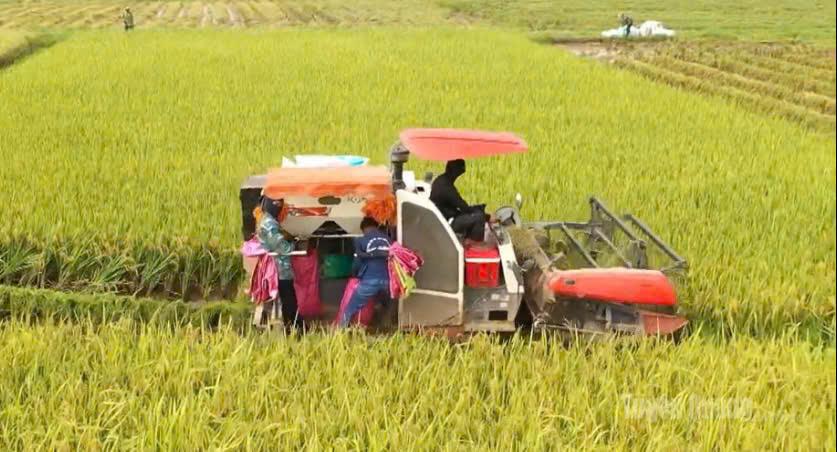
These efforts have translated into solid output: grain production of about 767,000 tonnes; annual timber harvesting exceeding one million cubic meters; live-weight meat output nearing 184,000 tonnes; and fresh milk production approaching 46,000 tonnes. Once absent from the map of large-scale commodity agriculture, Tuyen Quang now has products with strong regional and national standing, including Phin Ho Shan Tuyet tea, bạc hà honey, FSC-certified plantation timber and specialty fish from Na Hang.
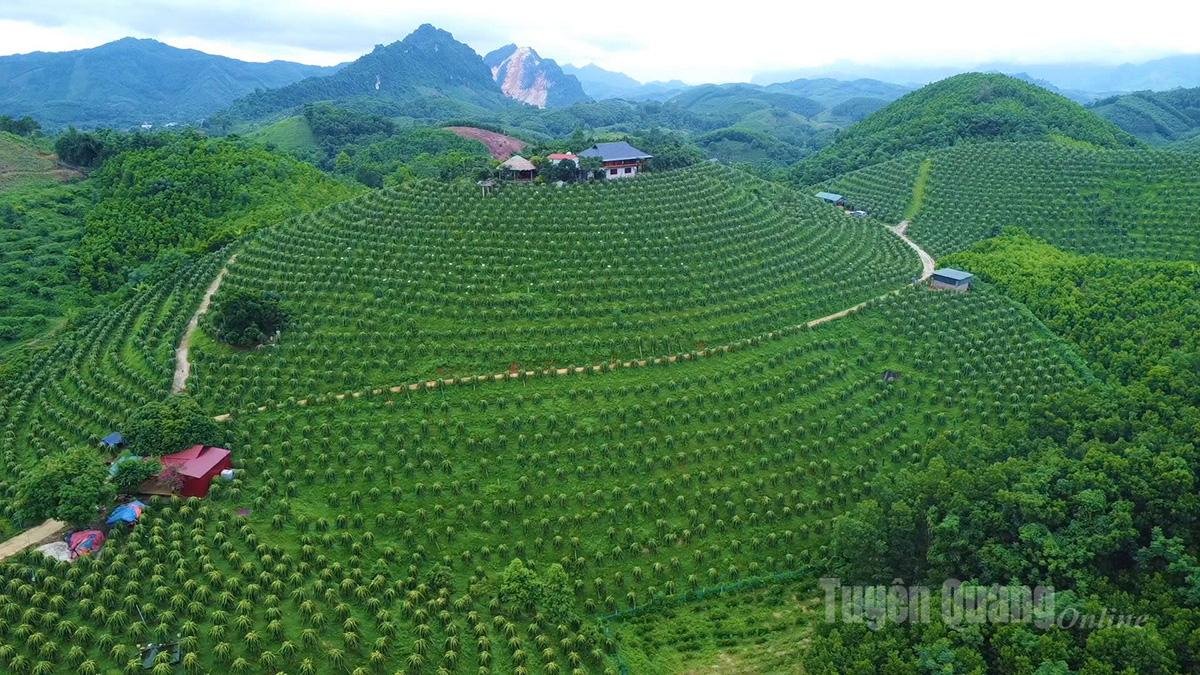
Residents of Yen Phu Commune develop high-value fruit-growing areas
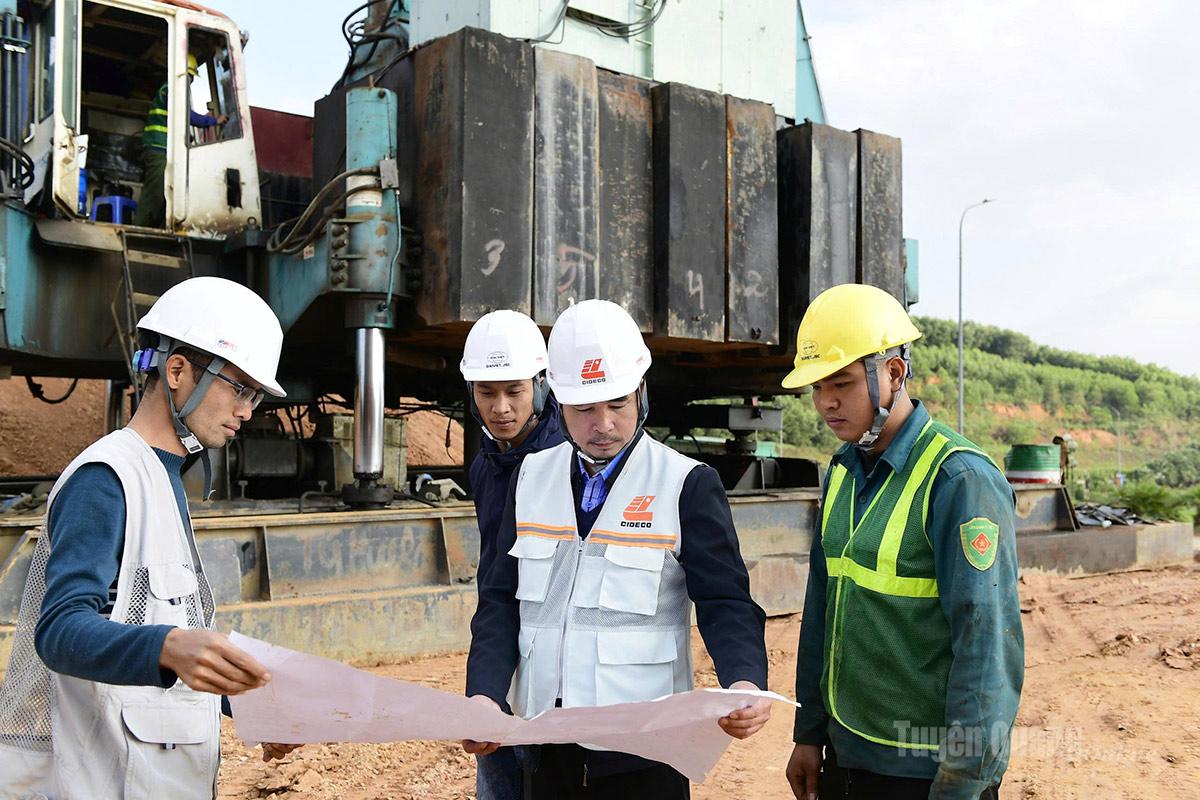
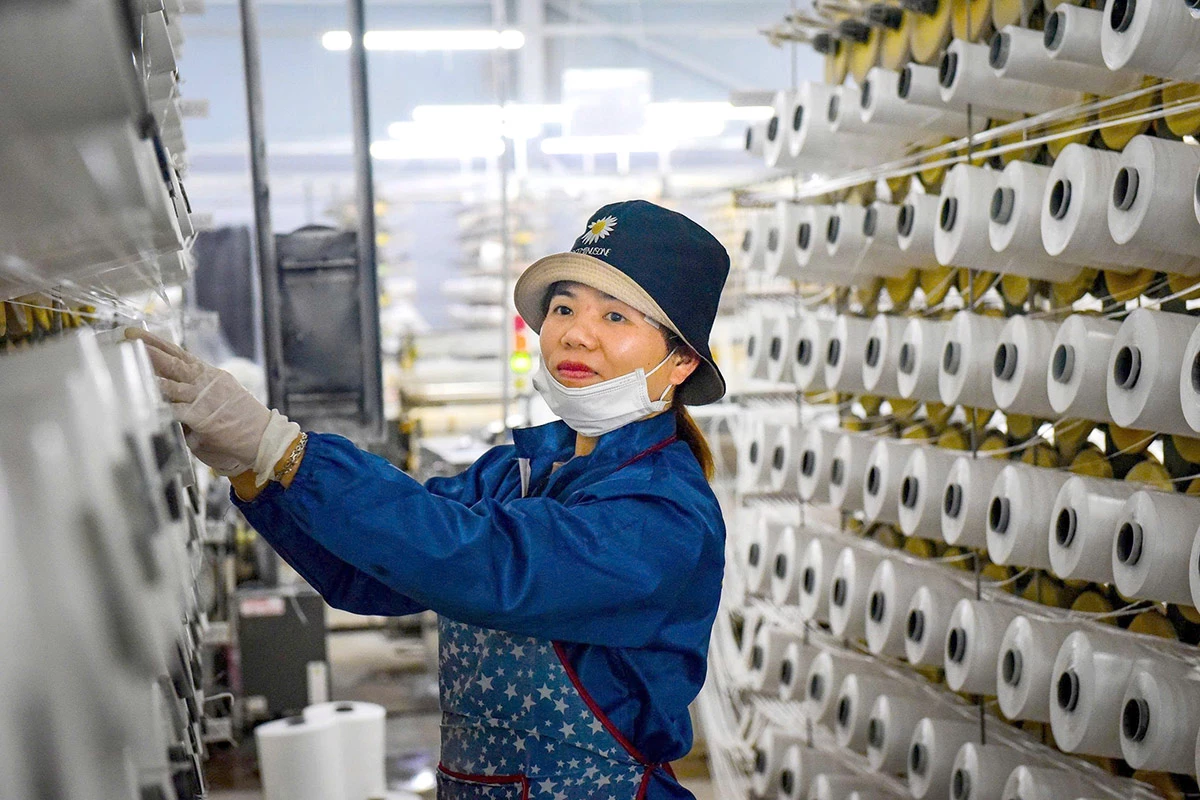
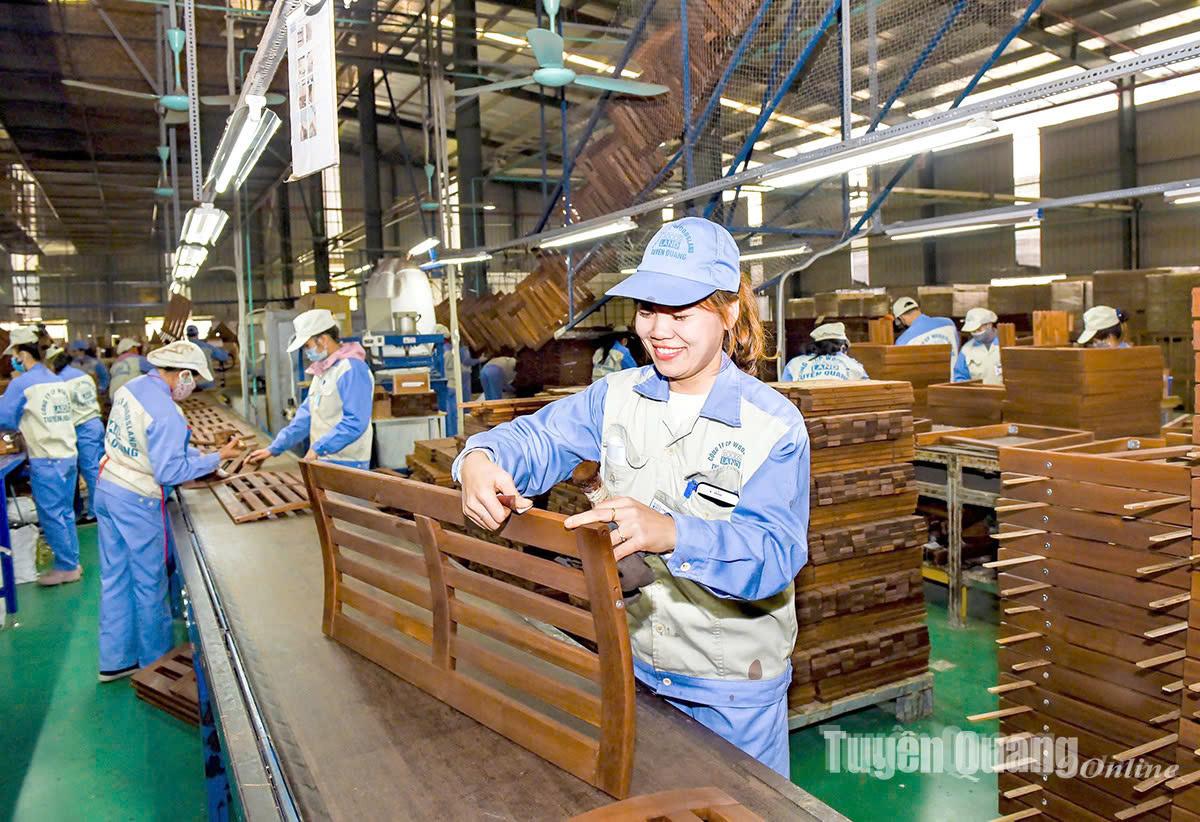
Agricultural gains have also fueled the expansion of processing industries. Since 2021, dozens of projects have been invested in and put into operation, raising the value of agricultural, forestry and fishery products. Notable examples include the export-oriented fruit and vegetable processing plant of JM Korean Agricultural Products Co. Ltd. at Phuc Ung Industrial Cluster and the Erex Sakura Tuyen Quang biomass fuel plant in Long Binh An Industrial Park. At the same time, agriculture-based and experiential tourism tours have taken shape, diversifying tourism products and boosting revenues in the so-called smokeless industry.
Building on these gains, Tuyen Quang’s agriculture is moving forward with confidence, ensuring food security while acting as a key driver of the province’s ambition for fast and sustainable development in the near term.
Nguyen Thanh Hieu
From a Vietnamese article on Tuyen Quang online