Prayers in Tune with the Farming Seasons
The Dao Thanh Y have lived for generations in what was formerly Yen Son district. The Tan Tien area, now part of Tan Long Commune, remains one of the places where the ritual has been most fully preserved. According to heritage records, the community settled here around 200 years ago.
As villages were established and fields reclaimed, Ai Sang Mun gradually emerged from the agricultural life of the people, reflecting their aspiration for peace, prosperity and abundant harvests.
Traditionally, the ritual follows almost the entire agricultural cycle of the year. It is held five times annually: at the beginning of spring on the first day of the second lunar month, in summer on the first day of the fourth lunar month, in autumn on the first day of the seventh lunar month, in winter on the first day of the tenth lunar month, and finally at the end of the twelfth lunar month.
Each ceremony carries its own wishes. Spring rituals pray for good seeds and favourable beginnings; summer ceremonies focus on water sources; autumn rituals seek favourable weather and protection from pests and wild animals; winter ceremonies give thanks for the harvest, while the year-end ceremony marks the completion of the farming cycle. In this sense, Ai Sang Mun serves as a "seasonal calendar", preserved through ritual practices and collective memory.
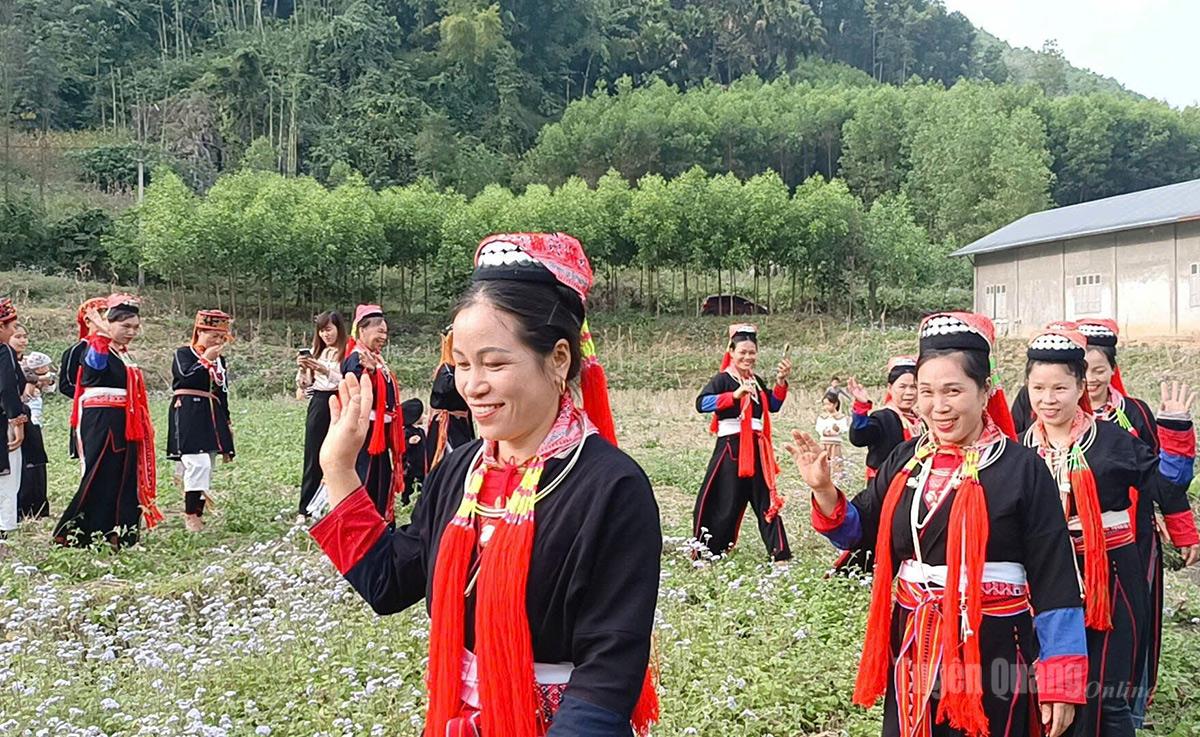
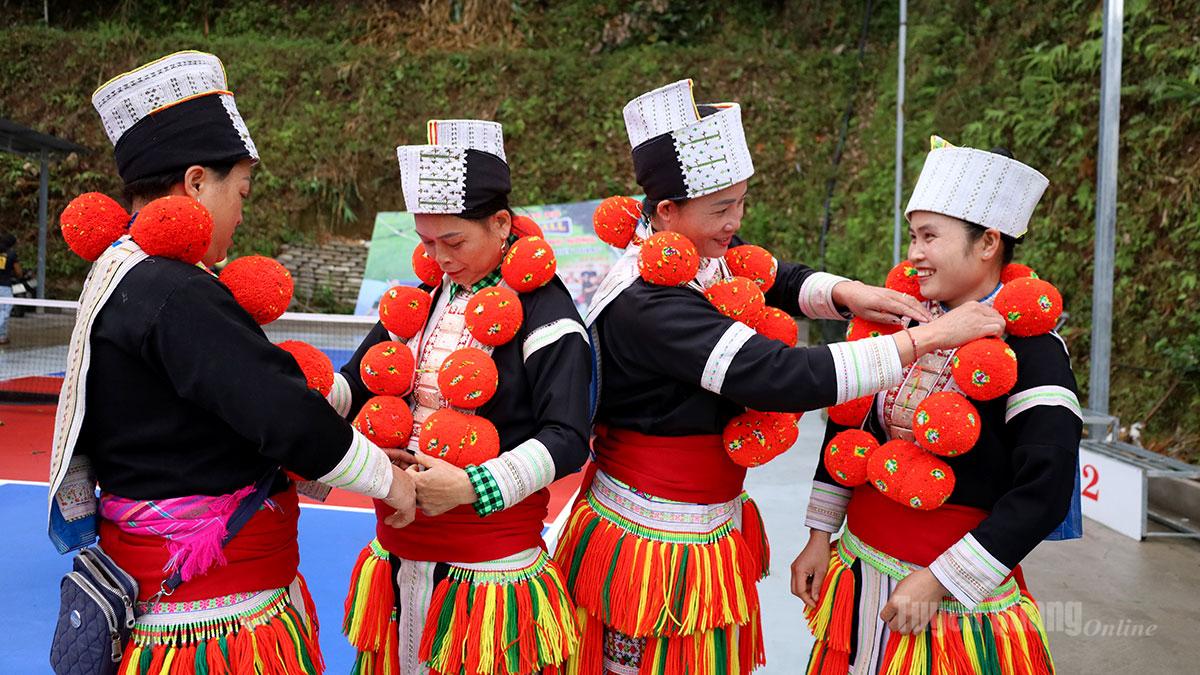
Dao Thanh Y women celebrate together during the festival, reinforcing community ties
The autumn ceremony was traditionally the most elaborate. Before the event, village leaders, elders and representatives of households gathered to discuss contributions, prepare offerings and assign responsibilities.
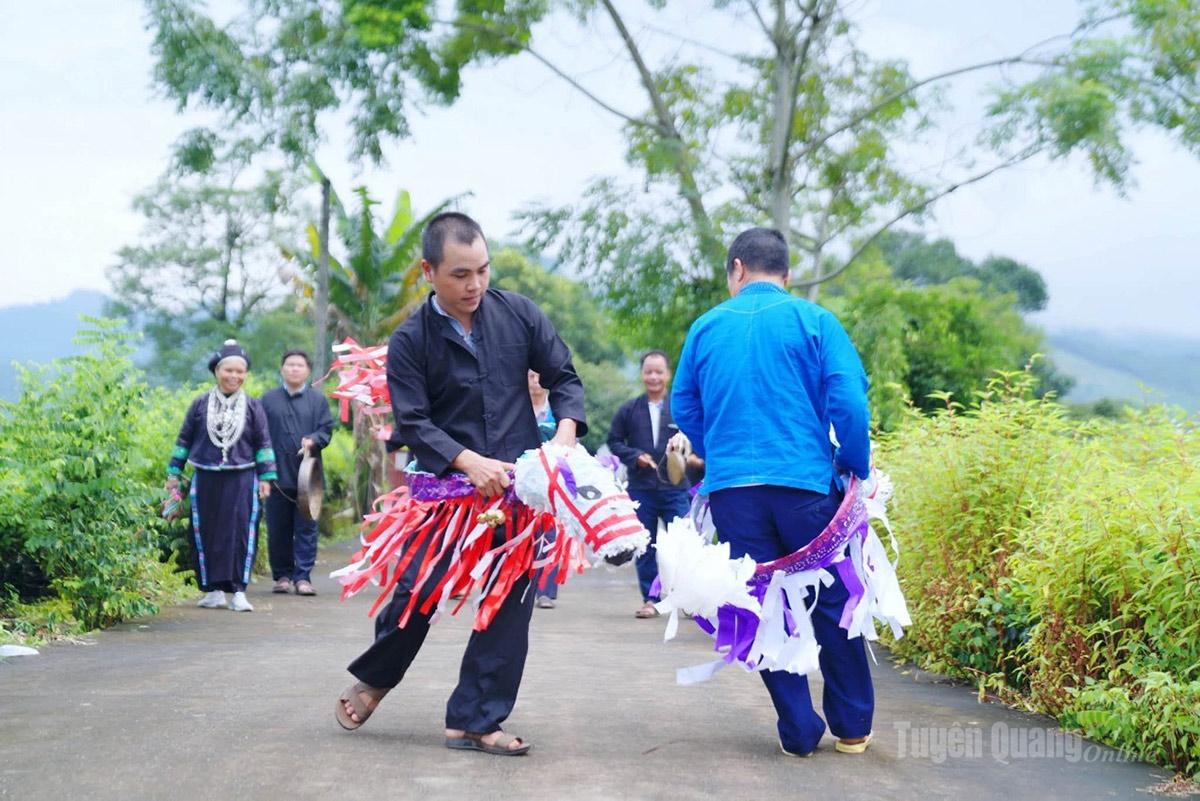
The offerings mainly consist of products produced by the villagers themselves, including rice, rice liquor, pork, snails, tea and fruits, together with symbolic items such as paper boats, paper rice stalks, sun-and-moon rings and scarecrows.
The ritual takes place outdoors, near the village shrine, fields and water sources, as well as at the house of the village head. The ceremonial altar faces east, symbolising the welcoming of life and vitality.
As incense is lit, the village head speaks on behalf of the community, reporting to the deities and praying for sufficient water for cultivation, abundant harvests, healthy livestock and peace for all. Traditional prayers also express the wish that "children may go to school and bring literacy back to the village."
Amid prayers for rice plants and water sources lies a deeper aspiration – a better life that ancestors hoped to pass on to future generations.
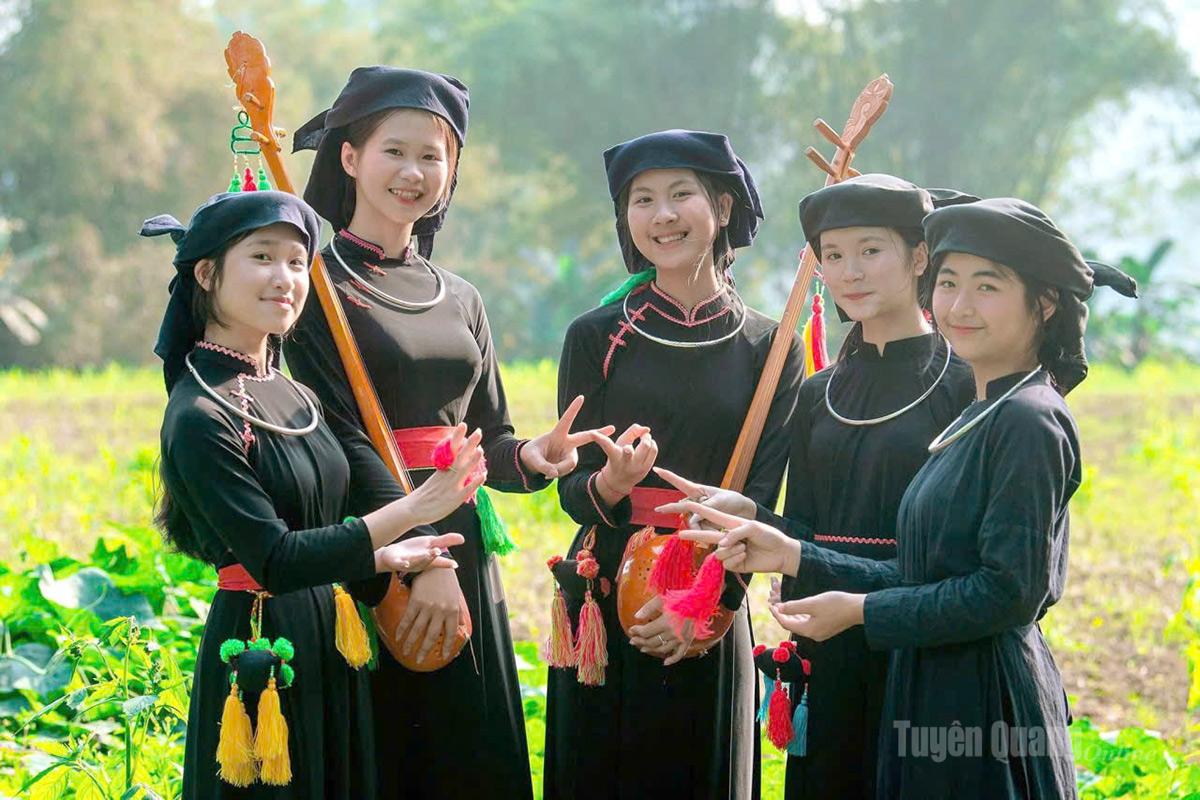
Following the ceremony comes a communal meal. Some contribute rice, others bring wine, while others prepare the food. Villagers gather around the table, sharing stories about their families and crops, and at times traditional Pao dung folk songs are sung once again.
It is during these moments of togetherness that the communal spirit of Ai Sang Mun becomes most apparent. The village prayer ceremony is not the affair of a ritual master or a single family, but a collective undertaking of the entire community.
Preserving a Living Heritage
On June 27, 2025, the Ministry of Culture, Sports and Tourism issued Decision No. 2206/QD-BVHTTDL, inscribing Ai Sang Mun (Village Prayer Ceremony) of the Dao Thanh Y people in Yen Son district, Tuyen Quang province, on the National List of Intangible Cultural Heritage under the category of social practices and beliefs.
The recognition has brought great pride to the Dao Thanh Y community while affirming the enduring value of a ritual preserved through many generations.
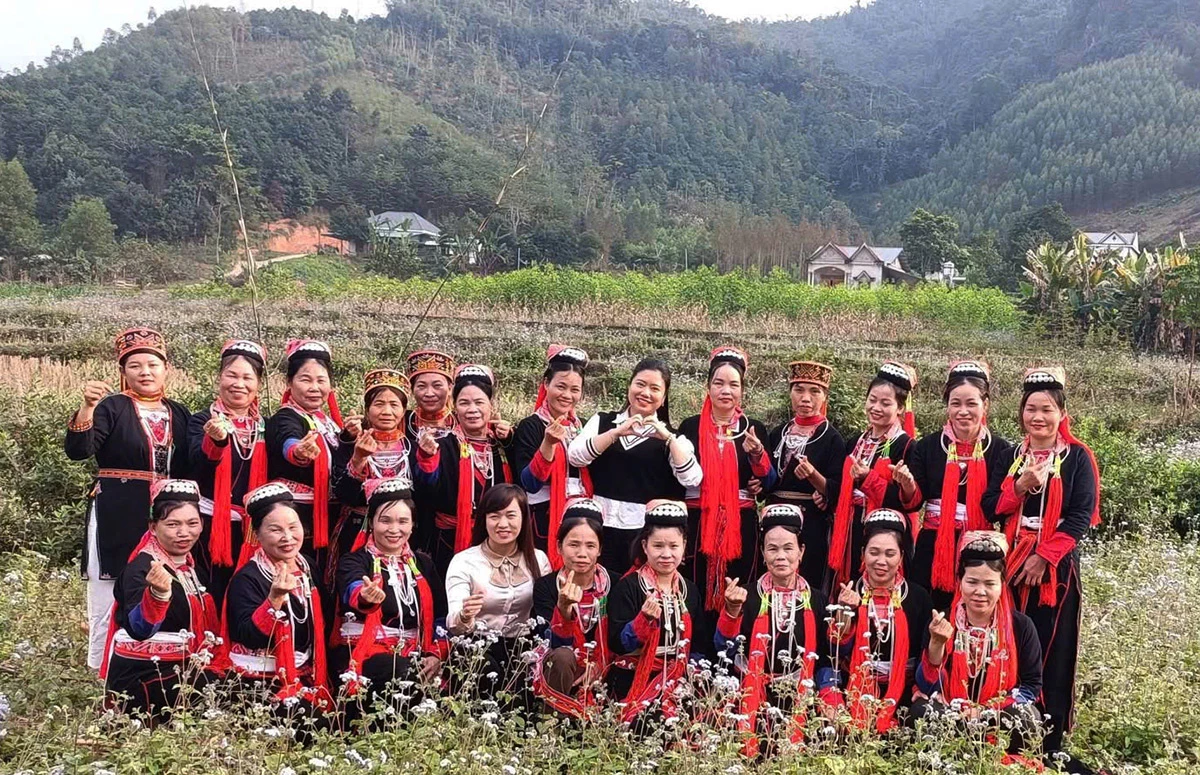
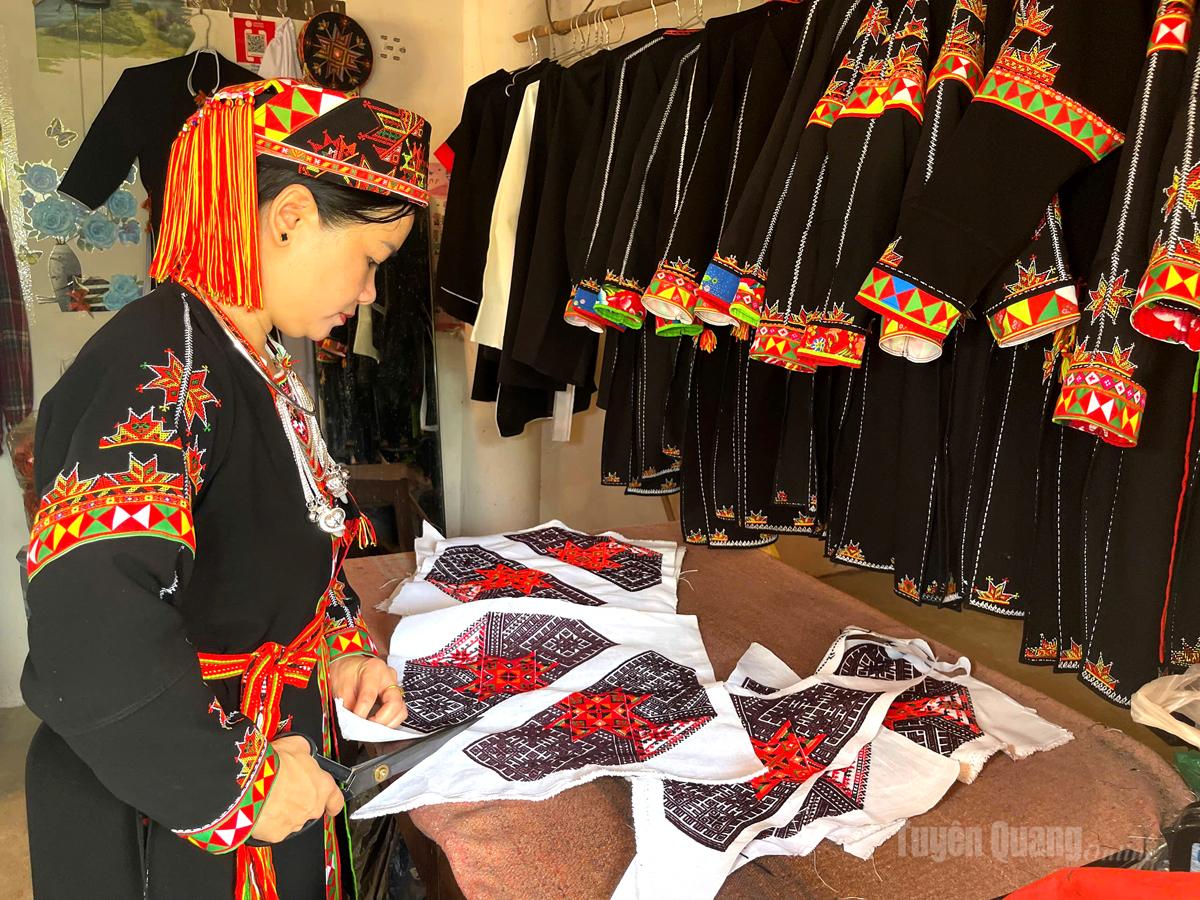
The vibrant traditional costumes of Dao Thanh Y women
A closer look at Ai Sang Mun reveals that behind its spiritual dimensions lies a wealth of indigenous knowledge. The ritual space near fields and water sources, the sun-and-moon rings, paper rice stalks and scarecrows designed to ward off birds and wild animals all reflect how agricultural communities observed nature and expressed their hopes for abundant harvests.
Traditional taboos, such as refraining from cutting large trees during the ceremonial period, also reflect the community's respect for forests and their awareness of environmental conservation.
Eventually, the incense smoke of Ai Sang Mun fades away. The offerings are cleared, and villagers return to their fields and daily routines. Yet the prayers for plentiful water, heavy rice ears, healthy elders and successful children remain deeply embedded in the collective memory of the village.
As long as there are people gathered around the ceremonial altar, as long as younger generations continue listening to the stories of their ancestors, and as long as villagers continue to join hands for the common good, Ai Sang Mun will endure – a resilient cultural bond that keeps the Dao Thanh Y community closely connected on their ancestral homeland.
Nguyen Thanh Hieu
Abridged from a Vietnamese article on the Tuyen Quang online