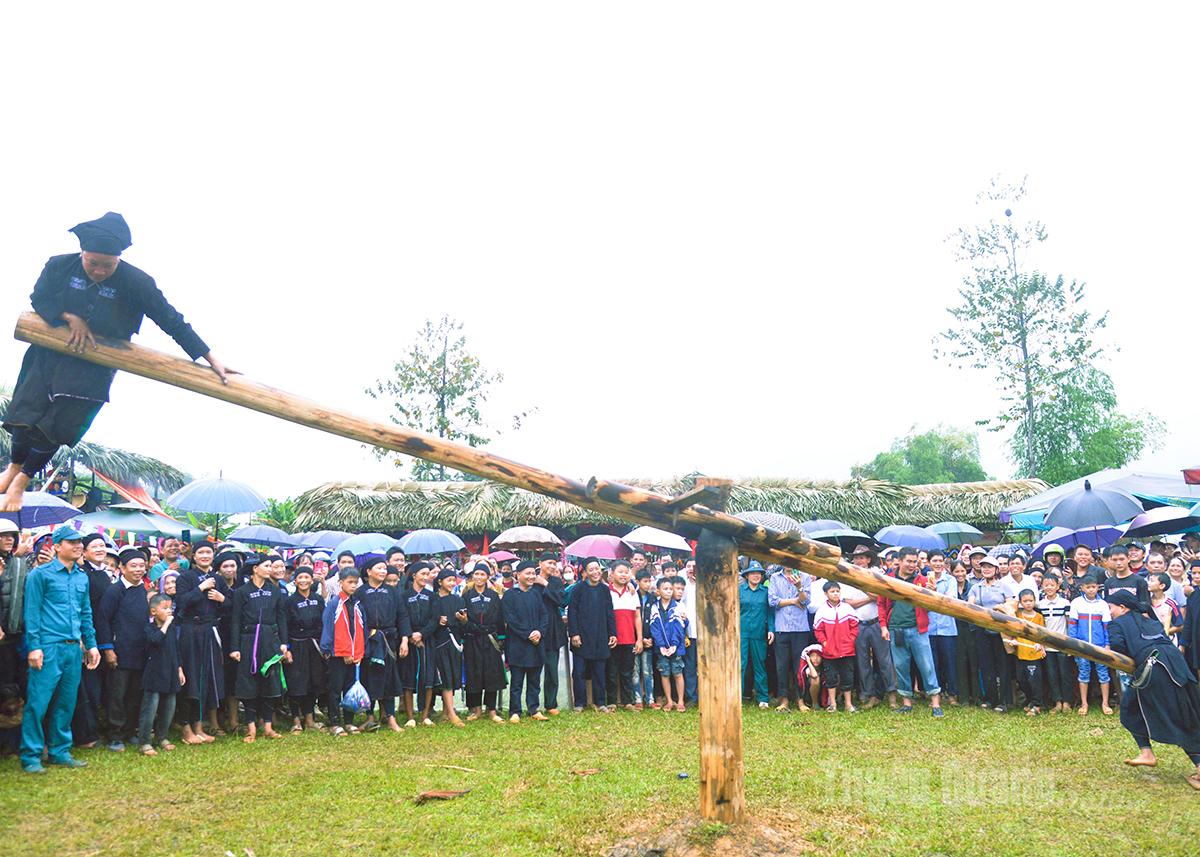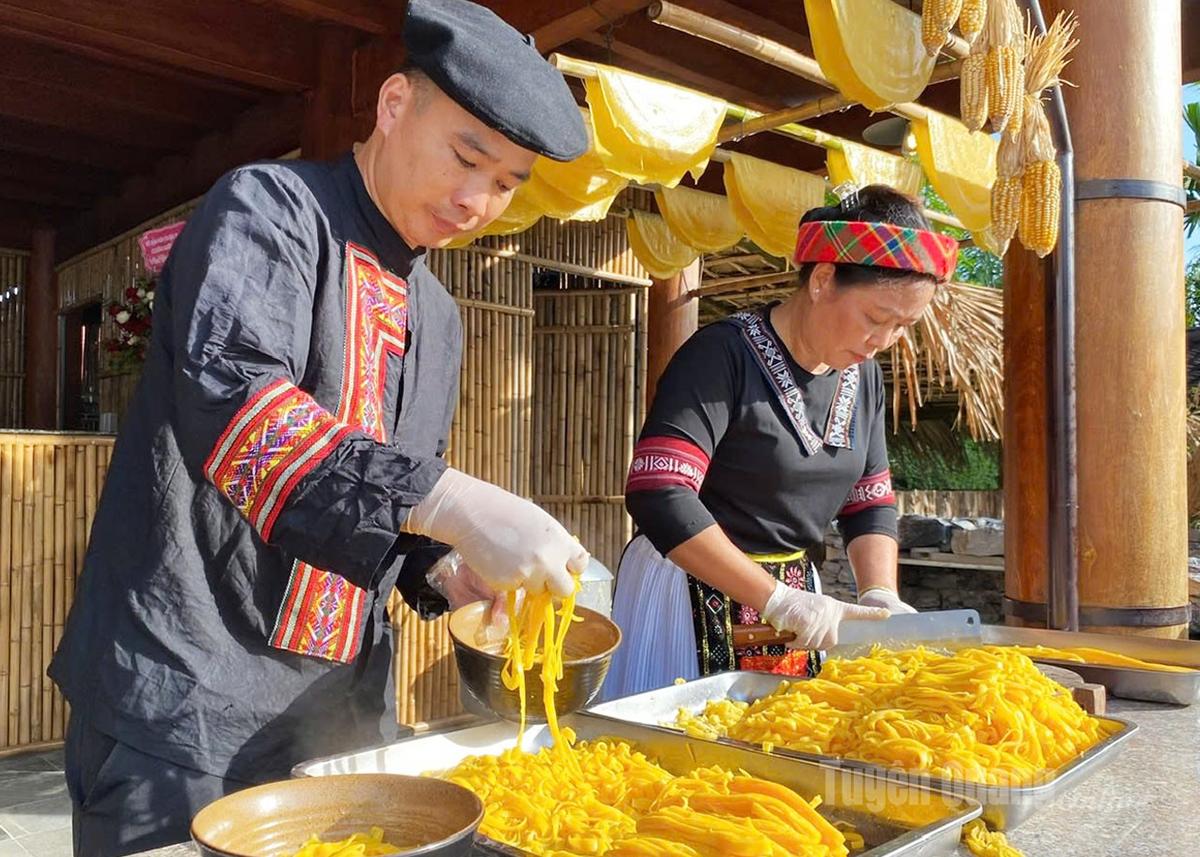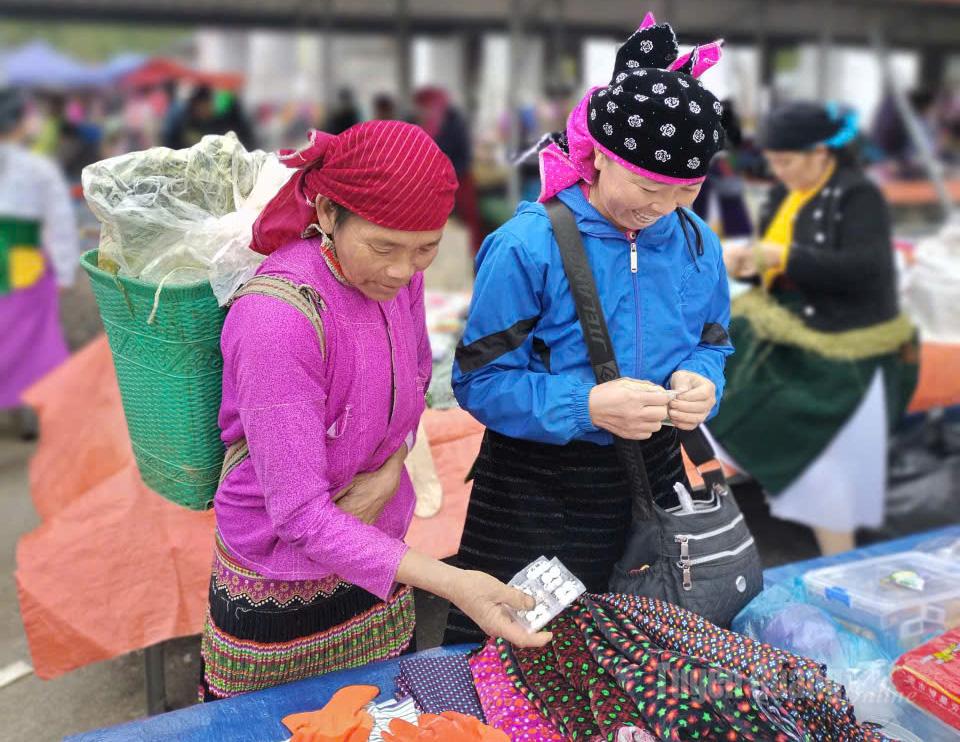
A "Lui" marketday in Sa Phin
The Rhythm of the Mountain
Long before dawn breaks over the Dong Van Stone Plateau, the mist is already a thick, chilly blanket. Out of this ethereal fog, ethnic minority groups—the Hmong, the Dao—slowly emerge, their brightly colored traditional garments cutting through the gray. On their backs, they carry woven Mông backbaskets (a large, conical rucksack made of woven bamboo) filled with homemade treasures: bunches of herbs, baby pigs, or newly harvested corn. They walk in the cold wind toward Sa Phin Commune, where one of the region’s most distinct traditions, the "Lùi" Market (The Retreating Market), is coming to life.
Located next to National Highway 4C and the legendary winding Happiness Road, the Sa Phin Market is unique because of its schedule. It convenes every six days, but each session "retreats" (lùi) by one day. If it meets on Sunday this week, it will meet on Saturday the next, then Friday, and so on. This singular rhythm seems to ignore modern clocks, instead following the turning cycles of the corn and rice fields, linking the community not to global time, but to the pulse of the mountain.
Linen Threads and Woven Identity
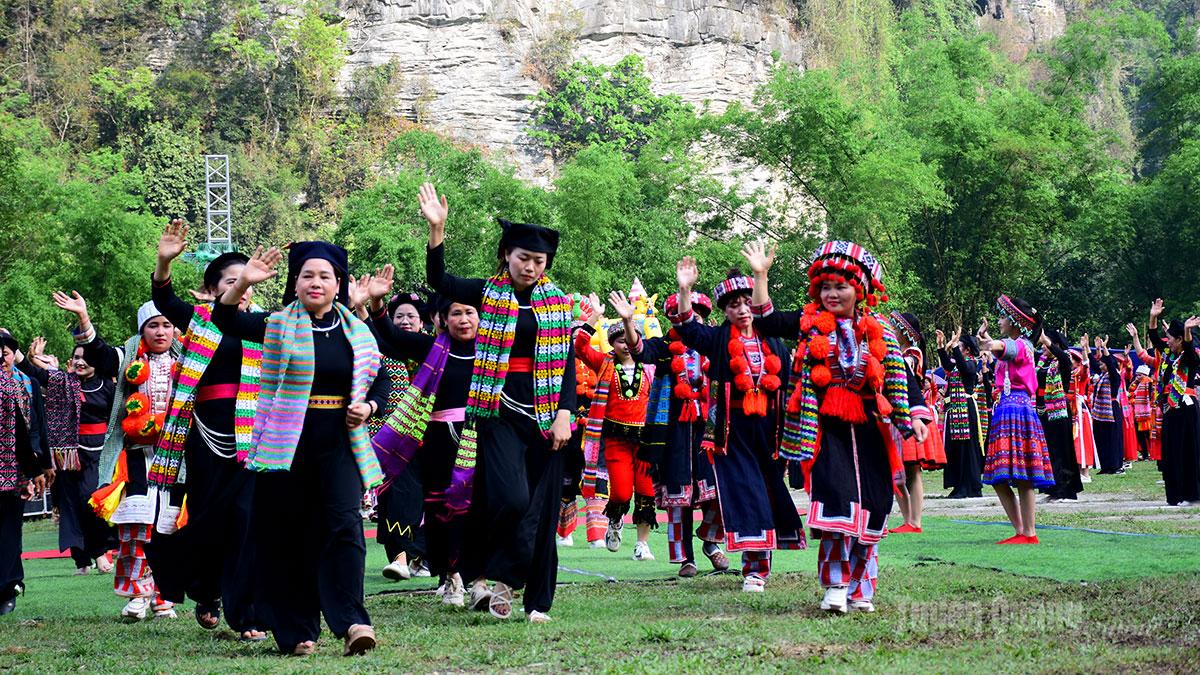
The market, bustling from early morning until late afternoon, is more than a place of commerce; it is a vital social hub. Here, people meet to exchange news, laughter, and affection, seeking connection amidst the hardships of high-mountain life.
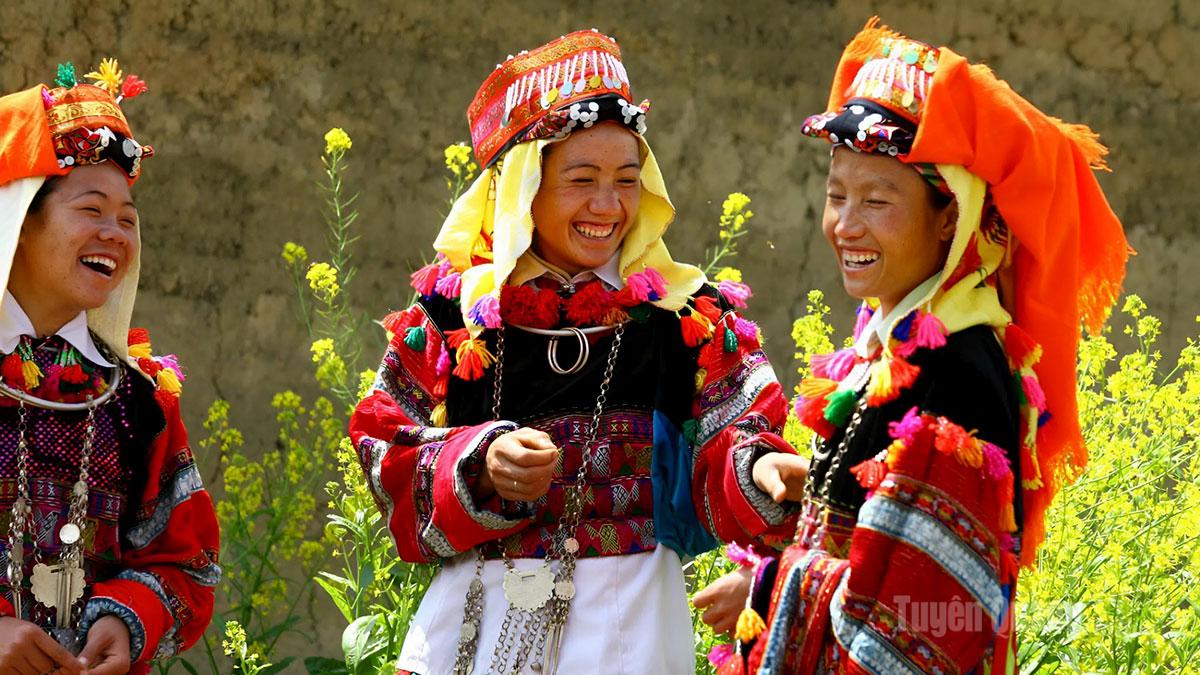
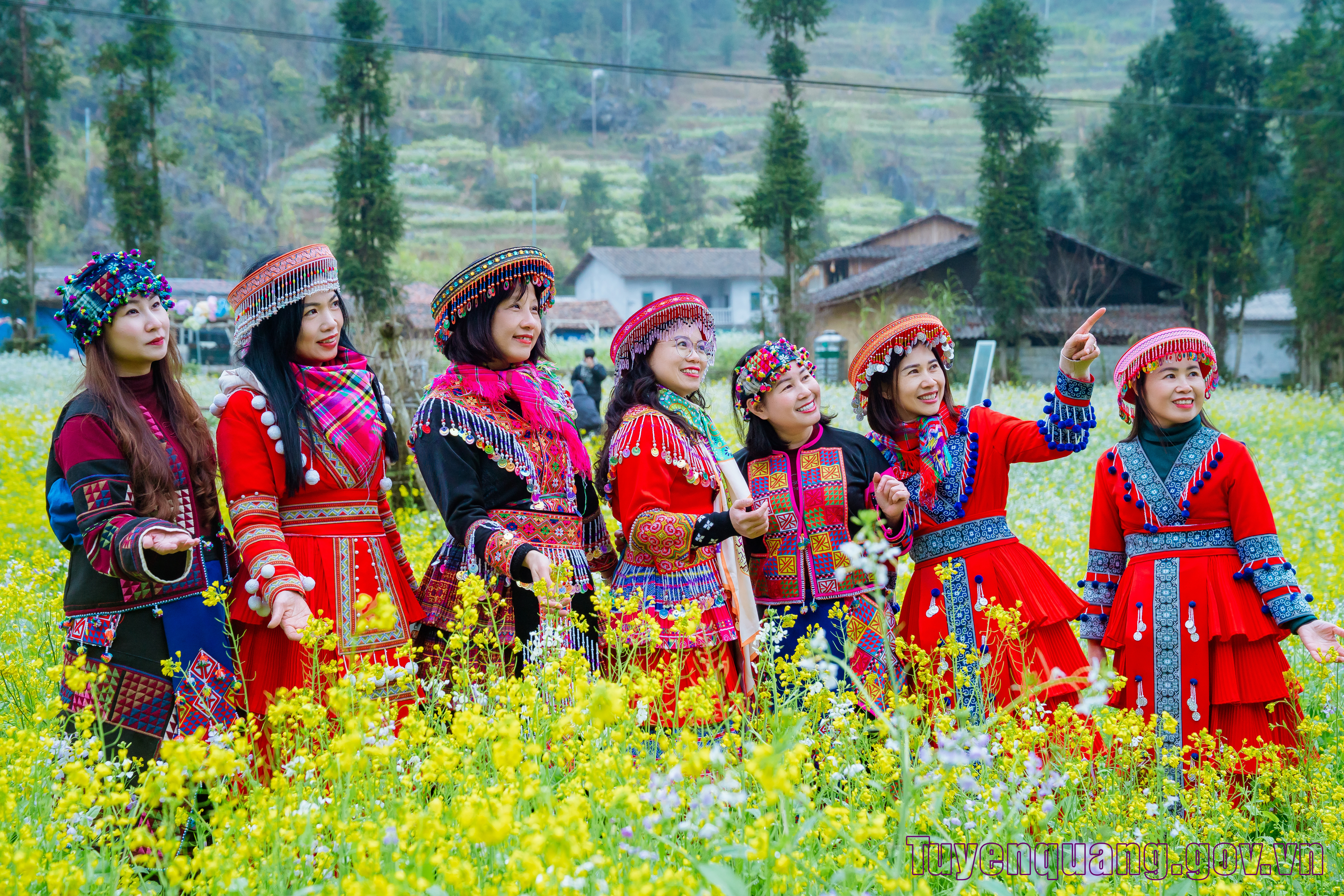
The Hmong women dominate the market scene, their vivid attire seeming to pull sunlight down through the fog. They are the guardians of the tradition of hemp spinning and weaving—a craft that has defined their ethnic identity for generations.
It is rare to see a Hmong woman at the market without a small thread of flax being spun between her fingers. As she walks, chats, and bargains, she is constantly working the hemp. These fine threads are eventually woven, dyed indigo, and embroidered by hand into the elaborate skirts and jackets. This is more than clothing; it is a repository of the Hmong woman's soul.
While the linen thread is never far from their hands, the Mông backbasket is their constant companion. At the market, backbaskets line up, forming a rustic, flowing river of labor. They hold everything from yellow corn and forest beans to honey or new embroidered skirts, ready to be exchanged for medicinal herbs. Transactions are warm, often carried out in lively Hmong, and rarely involve extended bargaining. This simple woven basket is more than a tool; it is an enduring cultural symbol of the mountain people.
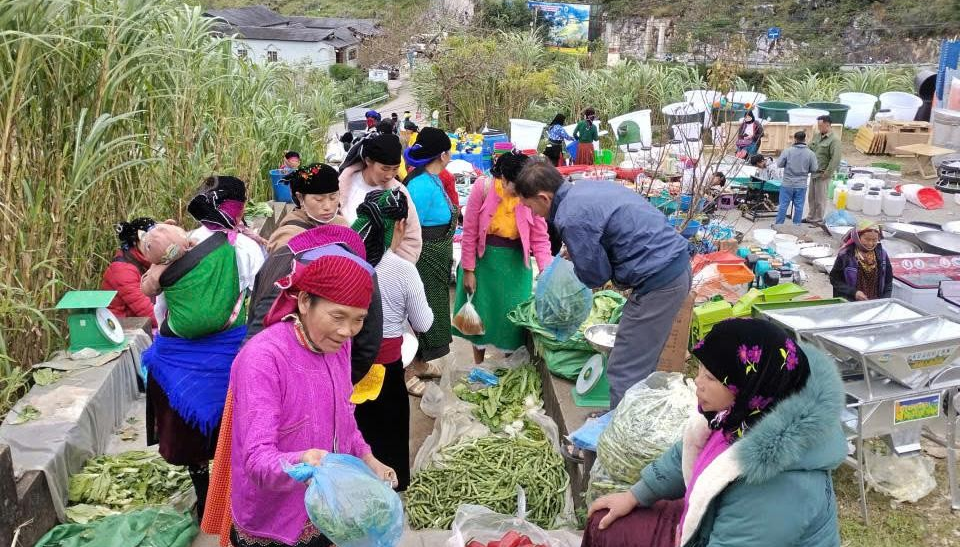
Local villagers dealing at "Lui" market
Food, Friendship, and Firewater
The market is also a feast of high-mountain cuisine. Plumes of smoke rise from large cauldrons of Thang Co (a traditional horse meat hotpot), a Mông delicacy cooked with horse meat, bones, and mountain spices. Beside it, golden baskets of Mèn Mén (steamed ground corn flour) sit next to fragrant buckwheat cakes, made from the pink and purple flowers that carpet the hillsides each autumn.
All these aromas mingle with the spicy, potent scent of corn wine fermented with forest leaves—a potent local liquor that makes people laugh louder, speak more freely, and forget the chilling cold of the gray stone terrain.
The market is a place of romance, too. Young Hmong couples walk together, their new linen clothes still carrying a fresh scent, exchanging shy but bright glances. For them, the market day is a festival, a chance to express affection and begin new stories.
The Echoes and the Stone Journey
Today, the Sa Phin Market is not just a gathering place for the local community, but a favorite stop for domestic and international tourists. The sight of Western visitors with cameras amid the blaze of vibrant brocade fabrics has become common. The locals smile gently, now accustomed to the lenses, their demeanor as natural and welcoming as the land itself.
From the Sa Phin Market, visitors can continue their journey to nearby attractions:
- The Vuong Family Mansion, the former "Palace of the Hmong King," a rare architectural blend of green stone and precious wood.
The nearby Lao Xa village, where rammed earth houses nestle against the mountainside and the ancient silver engraving trade still keeps its fires burning every evening. - Further afield, the Dong Van Old Quarter, with its sun-faded walls, coffee shops nestled in stone, and the haunting sound of the khen (bamboo pipe instrument) where time seems to stand still.
By noon, as the sun burns off the morning mist, the market begins to wind down. The backbaskets are lighter, the Thang Co pots are nearly empty, and only the sound of footsteps lingers in the wind. In six days, the market will return—it will "retreat" one day again—but the spirit, the colors, and the cultural soul of the stone plateau remain unchanged. In Sa Phin, the market is not just commerce; it is the resilient heartbeat of the highlanders' life.
Nguyen Thanh Hieu
From a Vietnamese article on "tuyenquangonline"